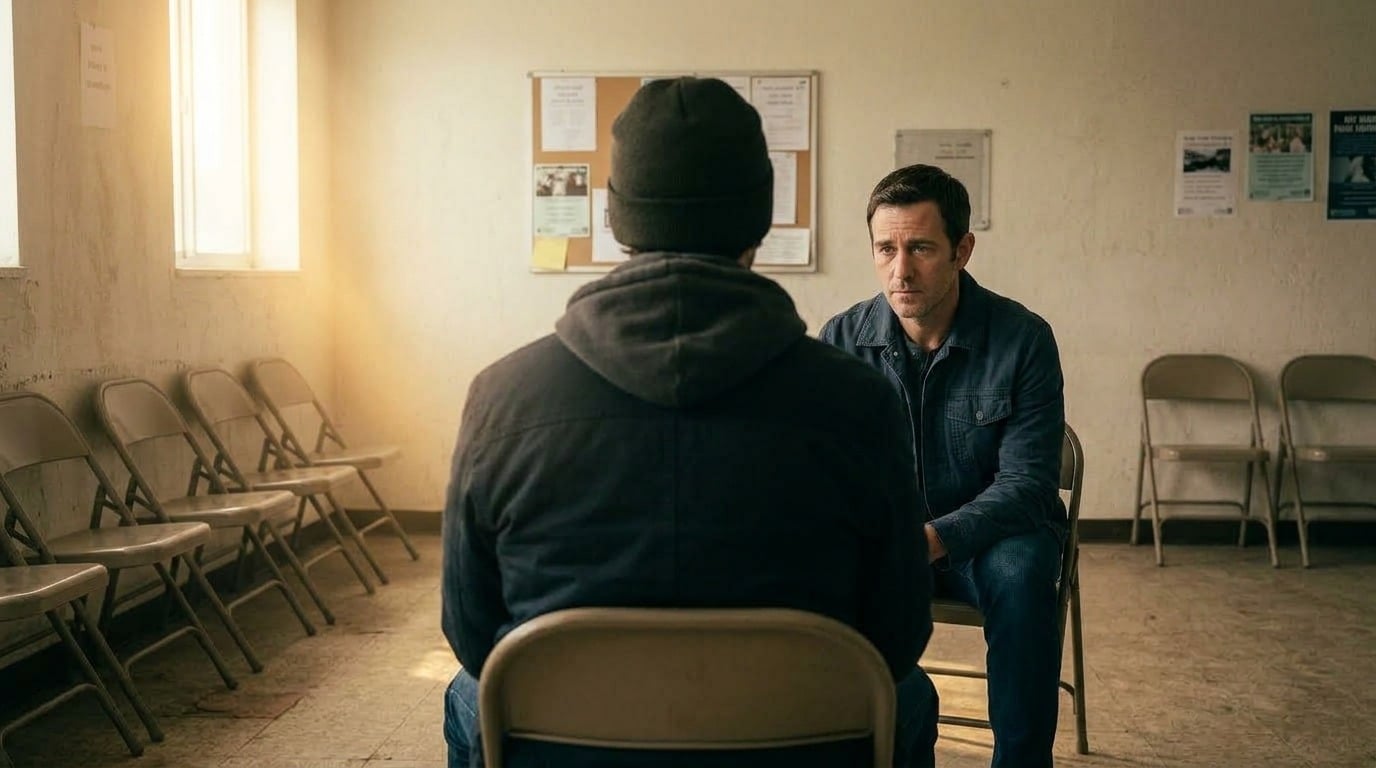
You do not have to suffer the trauma of abuse in silence alone.
We're here to help you. 100% confidential call.
You may have been told that you have no rights.
You do have rights, even if you were abused in an institution.
It may not be too late.
If you endured abuse while in a youth facility or institutional setting, you may still have the right to take legal action. Survivors are often told to stay silent — or made to feel powerless — but you are not alone, and you deserve justice.
Many victims carry the weight of silence for years. But it’s not too late to speak up, and legal action can help bring the justice, compensation, and accountability you deserve.
You are not alone. If you were harmed or mistreated in a youth facility or institutional environment, you may still have options to seek justice through legal action.
START YOUR CONFIDENTIAL CASE
EVALUATION TODAY

You may be eligible to pursue legal action if:
You are not alone. Many survivors were told to stay silent or believe that nothing could be done. That is not true. You have rights. You deserve to be heard. You deserve support. And you may still have time.
We’re here to help you take the next step — with compassion, strength, and commitment to justice.
You might. If you experienced abuse, neglect, or mistreatment while in an institutional setting — even if it happened years or decades ago — you may be eligible to take legal action. A lawyer can help assess the details of your experience and advise you on your rights.
Abuse can take many forms, including:
abuse of others
If you experienced anything that felt wrong, degrading, or harmful, it’s worth speaking with someone.
Not necessarily. Many survivors believe they missed their chance to speak up, but laws have changed to give people more time. In some cases, legal action is possible even if the abuse happened decades ago. A lawyer can determine whether the statute of limitations still allows you to file a case.
You do not need to have documents or physical evidence to start the process. Attorneys can help investigate your claims, gather records, find witnesses, and build your case. Your voice and experience are valid.
Yes. If you choose, your identity can be protected throughout the legal process. Survivors often pursue legal action anonymously (for example, as “John/Jane Doe”).
The process may include:
Throughout it all, your legal team should offer guidance, support, and clear communication.
Compensation may include:
Our attorneys handling civil abuse cases work on a contingency basis — meaning you pay nothing upfront, and we only get paid if you win or settle your case.
No. That’s not true. Many institutions created a culture of silence, but you have rights — and it may not be too late to assert them. Legal action is one way to reclaim your voice and pursue justice.
That fear is completely valid. You don’t have to go through this alone. Talking to a trauma-informed legal team can help you understand your options in a supportive, confidential space. We have both male and female attorneys on the team. Taking the first step doesn’t mean committing to anything — it just means finding out what’s possible.






You’re not alone. We’re committed to standing by you and pursuing justice for abuse survivors.
You, or your loved one, do not have to suffer the trauma of abuse in silence—we fight for justice!
If you have questions for our experts, just leave a request or contact us by phone directly.