Maine Survivors
of Institutional Abuse
You may have been told that you have no rights.
You do have rights, even if you were abused in an institution.
It may not be too late.
If you experienced abuse while in a youth detention center, juvenile facility, or similar institution in Maine, you may be eligible to take civil legal action. Survivors across the country are speaking out — and you are not alone.
Survivors Deserve Justice and Support
You may still be able to:
- Pursue justice for the harm you endured
- Hold abusive systems accountable
- Seek compensation for emotional trauma, medical care, and other damages
- Protect others by helping stop future abuse
Facilities Where Abuse May Have Occurred in Maine
If you were placed in one of these institutions — or another facility in Maine— and experienced abuse, neglect, or mistreatment, you may qualify to take legal action.
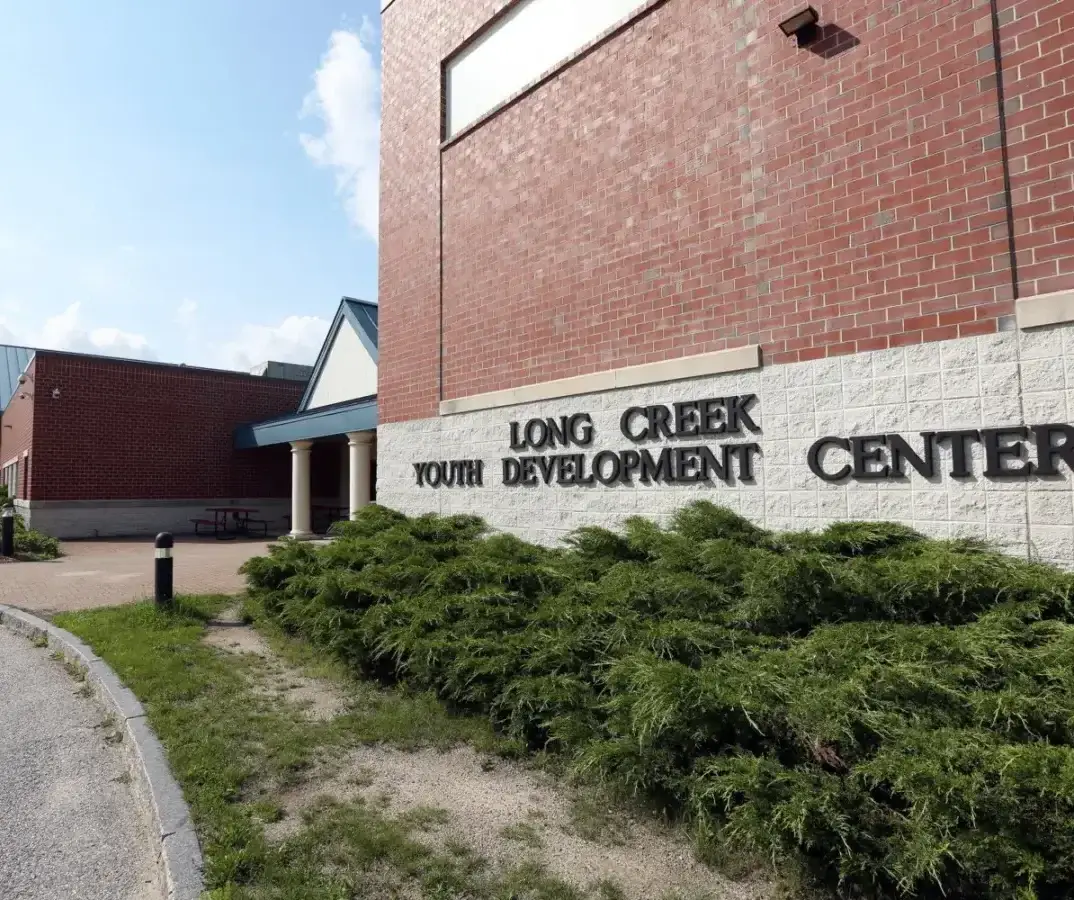
Long Creek
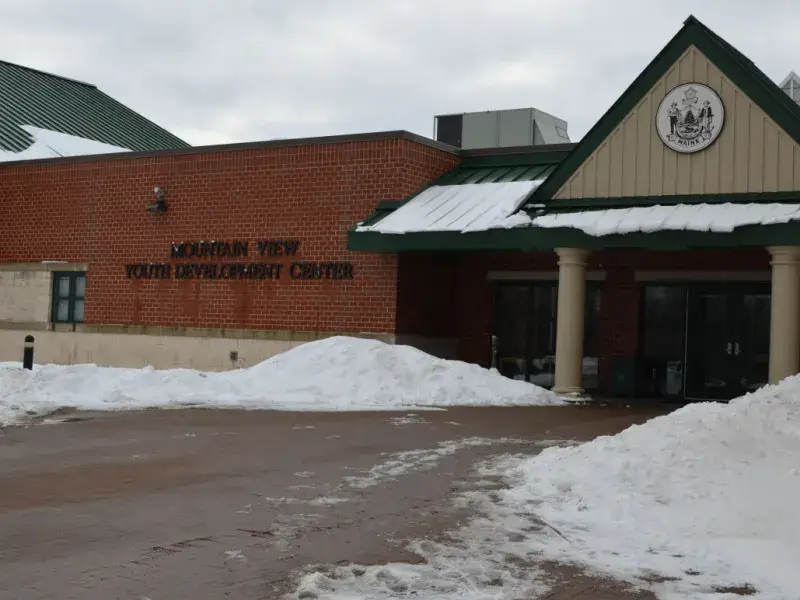
Mountain View
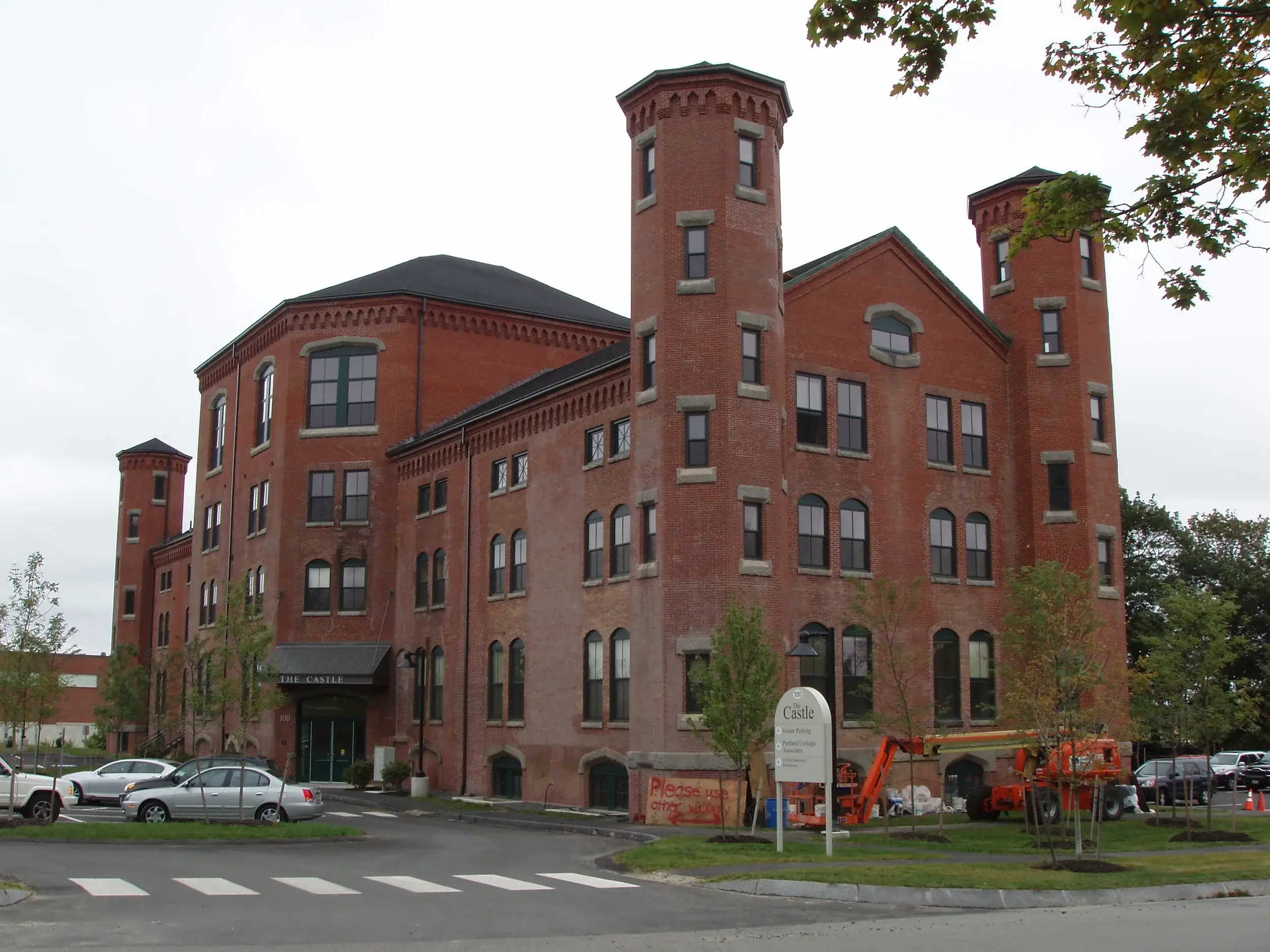
Maine Youth Center
It Might Not Be Too Late for Maine Survivors of Institutional Abuse
Many survivors think the deadline to take legal action has passed. But in Maine, laws may allow cases to be filed even decades later. Attorneys can help you understand your specific eligibility based on when and where the abuse occurred.
What Counts as Abuse?
You may be eligible if you experienced:
- Physical, sexual, or emotional abuse
- Neglect or denial of medical or emotional care
- Isolation, excessive restraint, or confinement
- Threats or intimidation
- Being forced to witness the abuse of others
Why Legal Help Matters
-
Protect Your Rights:
A lawyer ensures you're treated fairly. -
Build Your Case:
Attorneys investigate, collect records, and interview witnesses. -
Negotiate for You:
Skilled legal teams can fight for compensation. -
Support You:
Compassionate lawyers guide you every step of the way.
Frequently Asked Questions
It happened a long time ago — is it too late to do anything?
Not necessarily. Many survivors believe they missed their chance to speak up, but laws have changed to give people more time. In some cases, legal action is possible even if the abuse happened decades ago. A lawyer can determine whether the statute of limitations still allows you to file a case.

What can I expect from the legal process?
The process may include:
- Speaking confidentially with a lawyer
- Gathering evidence or personal records
- Potentially joining others with similar experiences
- Negotiating a settlement or going to court, if necessary
Throughout it all, your legal team should offer guidance, support, and clear communication.
Free Confidential Consultation.
You, or your loved one, do not have to suffer the trauma of abuse in silence—we fight for justice!
If you have questions for our experts, just leave a request or contact us by phone directly.