When a child enters a juvenile detention center, parents trust that the facility will keep them safe.
But what happens when that trust is broken?
Abuse in juvenile detention centers is more common than many people realize — and it often goes undetected for months or even years. The signs are not always obvious. In fact, many parents look back and realize they noticed something was wrong but did not know what they were seeing.
If your child is or was in a juvenile facility and something feels off, this guide is for you.
Understanding the signs of abuse in juvenile detention centers could be one of the most important things you do for your child’s safety and well-being. And if abuse has occurred, your family may have legal options worth exploring.
Key Takeaways
- Abuse in juvenile detention centers is often hidden and underreported
- Behavioral and physical changes in your child may be warning signs
- Institutions can be held legally accountable for failing to protect youth
- Families may have the right to file a civil claim even years later
- Speaking confidentially with a lawyer carries no obligation or upfront cost
- You are not alone — legal help for families is available
Why Abuse in Juvenile Facilities Is Often Hidden
Juvenile detention centers are closed environments. Access is limited. Communication is monitored. And young people inside these facilities are often in vulnerable positions — afraid to speak up, unsure who to trust, or worried that reporting abuse will make things worse.
Staff members who commit abuse often rely on this silence.
Institutions may also have a pattern of:
- Dismissing complaints from youth in their care
- Discouraging family contact
- Retaliating against those who report misconduct
- Covering up incidents internally
This is why parents play such a critical role. You may notice changes in your child that no one inside the facility will ever report.
Sign #1: Sudden and Unexplained Behavioral Changes
One of the earliest and most telling signs of abuse is a shift in your child’s behavior — especially if it happens suddenly.
This may look like:
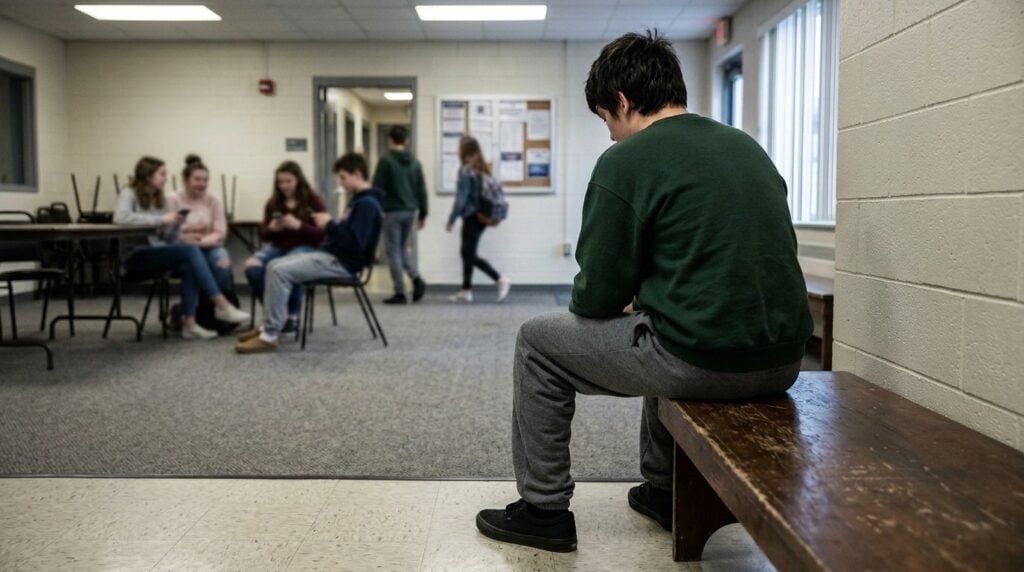
- Becoming withdrawn or emotionally shut down
- Increased anger, aggression, or irritability
- Refusing to talk about life inside the facility
- Expressing hopelessness or a sense of being trapped
- Sudden fearfulness or anxiety that was not present before
These changes are not always easy to interpret. Detention itself is stressful. But when behavioral shifts are dramatic, persistent, or accompanied by other signs, they deserve closer attention.
Sign #2: Unexplained Physical Injuries
If your child has bruises, cuts, or other injuries that staff cannot — or will not — explain clearly, that is a serious concern.
Watch for:
- Injuries in unusual locations (not consistent with typical accidents)
- Explanations that do not match the injury
- Repeated injuries over multiple visits
- Staff discouraging you from asking questions
- Your child becoming visibly uncomfortable when injuries are mentioned
Physical abuse in juvenile facilities is sometimes disguised as “restraint incidents” or disciplinary measures. Not all use of force is lawful or appropriate.
Sign #3: Fearfulness Around Specific Staff Members
Pay close attention to how your child reacts when certain staff members are mentioned.
Signs to watch for:
- Visible discomfort or anxiety when a staff member’s name comes up
- Refusing to discuss certain individuals
- Asking not to be left alone with specific staff
- Expressing fear about returning after a visit
- Becoming emotionally distressed during or after calls with you
Children and teenagers who are being abused often cannot say it directly. Their reactions — especially fear responses — can communicate what words cannot.
Sign #4: Withdrawal From Family Contact
Most young people in detention want to stay connected with their families. A sudden reluctance to communicate can be a warning sign.
This may include:
- Refusing phone calls or visits without explanation
- Becoming unusually quiet or guarded during contact
- Giving scripted or rehearsed-sounding answers
- Seeming distracted, fearful, or monitored during conversations
- Ending calls abruptly or avoiding certain topics
In some cases, staff may be present during calls and youth may feel they cannot speak freely. If your child seems unable to talk openly, that itself is worth noting.
Sign #5: Regression or Trauma Responses
Abuse — especially ongoing abuse — can cause young people to exhibit trauma responses that may seem confusing at first.
These may include:
- Bedwetting or other regression behaviors
- Nightmares or sleep disturbances (reported during visits or calls)
- Dissociation or emotional numbness
- Flinching at sudden movements or sounds
- Hypervigilance — being constantly on edge
These are recognized signs of trauma. They do not always mean abuse is occurring, but when combined with other warning signs, they warrant serious attention.
Sign #6: Complaints About Conditions or Treatment Being Dismissed
If your child has told you — or facility staff — that something is wrong, and those complaints are being ignored, that is a significant red flag.
Watch for patterns like:
- Your child reporting mistreatment but staff denying it
- Formal complaints you filed receiving no meaningful response
- Being told your child is “making things up” or “being difficult”
- Facility staff becoming defensive or hostile when you ask questions
- Lack of transparency about incidents or disciplinary actions
Institutions that dismiss or minimize complaints may be engaging in the kind of systemic failure that forms the basis of juvenile detention abuse claims.
Table 1: Red Flags in Facility Response to Complaints
| Behavior | What It May Indicate |
| Denying all complaints without investigation | Institutional cover-up |
| Blaming the youth for incidents | Deflection and minimization |
| Refusing to share incident reports | Lack of transparency |
| Retaliating against youth who report | Deliberate suppression |
| Discouraging family involvement | Isolation tactic |
Sign #7: Changes in Physical Health or Hygiene
Neglect is a form of abuse — and it can be visible.
If your child is showing signs of poor physical care, that may indicate the facility is failing in its basic duty of care.
Signs of neglect may include:
- Significant weight loss
- Poor hygiene or unwashed clothing during visits
- Untreated injuries or medical conditions
- Complaints of not receiving medication
- Appearing malnourished or exhausted
Juvenile facilities are legally required to provide adequate food, medical care, hygiene, and safe living conditions. Failure to do so may constitute neglect under abuse in juvenile detention law.
Table 2: Summary of the 7 Warning Signs and What to Do
| Warning Sign | What to Watch For | Recommended Action |
| Behavioral changes | Withdrawal, anger, hopelessness | Document and monitor closely |
| Unexplained injuries | Bruises, cuts, inconsistent explanations | Request incident reports in writing |
| Fear of specific staff | Anxiety, refusal to discuss individuals | Note names and document reactions |
| Withdrawal from family | Avoiding calls, guarded responses | Keep records of communication patterns |
| Trauma responses | Regression, nightmares, dissociation | Consult a trauma-informed therapist |
| Dismissed complaints | Denials, hostility, no investigation | File formal complaints and keep copies |
| Physical neglect | Weight loss, poor hygiene, untreated illness | Request medical records and document |

What Parents Can Do Right Now
If you recognize any of these signs, here are steps you can take:
- Document everything — dates, observations, your child’s exact words
- Request records — incident reports, medical records, disciplinary logs
- File a formal complaint — with the facility and the state oversight agency
- Contact your state’s juvenile justice oversight body
- Speak with a trauma-informed therapist for your child
- Consult a lawyer — confidentially and without obligation
You do not need to have all the answers before taking action. Even one step can make a difference.
Can Families Take Legal Action?
Yes — families may have legal options when a juvenile detention center fails to protect a child in its care.
A civil lawsuit against a juvenile detention center is different from a criminal case. It focuses on accountability and compensation for the harm caused.
Institutions may be held responsible when they:
- Knew about abuse and failed to act
- Failed to properly screen or supervise staff
- Ignored or suppressed complaints
- Created conditions that enabled abuse or neglect
What compensation may be available:
- Therapy and mental health treatment costs
- Medical expenses
- Emotional distress and trauma
- Pain and suffering
- Future care and support needs
You Do Not Have to Figure This Out Alone
Navigating the juvenile justice system is already difficult. Suspecting that your child has been harmed inside a facility makes it even harder.
You deserve clear information, compassionate support, and access to legal guidance — without pressure or judgment.
Many families in this situation have found that speaking with a lawyer was the most important first step they took. Consultations are confidential, carry no obligation, and come at no upfront cost.
In some cases, claims can be filed anonymously to protect your family’s privacy.
Final Thoughts
No child should experience abuse in a place that is supposed to provide structure and safety. And no parent should have to wonder whether their child is being harmed behind closed doors.
The signs of abuse in juvenile detention centers are not always easy to see — but they are there. And now that you know what to look for, you are better equipped to protect your child and advocate for their rights.
If something feels wrong, trust that instinct. Document what you observe. Ask questions. And when you are ready, reach out for legal help for families of detained youth.
Institutions that fail to protect children can be held accountable. Your family may have options — and you deserve to know what they are.
👉 Speak confidentially with a lawyer today
✅ 100% confidential
✅ No obligation consultation
✅ No upfront cost — contingency-based representation
Frequently Asked Questions
Q: What are the most common signs of abuse in juvenile detention centers?
A: The most common signs include sudden behavioral changes such as withdrawal or increased aggression, unexplained physical injuries, fearfulness around specific staff members, withdrawal from family contact, trauma responses like regression or nightmares, dismissed complaints, and visible signs of neglect such as weight loss or poor hygiene. These signs do not always appear together, but any combination of them warrants closer attention and documentation.
Q: What should I do if I suspect my child is being abused in a juvenile facility?
A: Start by documenting everything you observe — your child’s behavior, physical condition, and anything they share with you. Request incident reports and medical records from the facility in writing. File a formal complaint with the facility and your state’s juvenile justice oversight agency. Consult a trauma-informed therapist for your child, and speak confidentially with a lawyer who handles juvenile detention abuse claims. You do not need to have all the answers before taking action.
Q: Can a juvenile detention center be held legally responsible for abuse?
A: Yes. Under abuse in juvenile detention law, facilities can be held legally responsible when they knew about abuse and failed to act, failed to properly screen or supervise staff, ignored or suppressed complaints, or created conditions that enabled harm. A civil lawsuit can hold both individuals and the institution accountable — not just the person who caused the harm directly.
Q: What is the difference between abuse and neglect in a juvenile facility?
A: Abuse typically refers to active harm — physical, sexual, or emotional mistreatment by staff or other individuals. Neglect refers to a failure to provide basic needs such as food, medical care, hygiene, or a safe environment. Both are serious and both may form the basis of a juvenile detention abuse claim. Facilities are legally required to meet minimum standards of care for every youth in their custody.
Q: How do I report abuse in a juvenile detention center?
A: You can report abuse to the facility’s administration, your state’s juvenile justice oversight agency, local law enforcement, or child protective services. Keep written records of every complaint you file and every response you receive. If complaints are being dismissed or ignored, that pattern itself may be relevant to a legal claim. A lawyer can also help guide you through the reporting process.
Q: Can I file a claim if the abuse happened years ago?
A: Possibly, yes. Many states have extended statutes of limitations for abuse cases involving minors. Lookback window laws in some states allow families to file claims even after the standard deadline has passed. Factors such as institutional concealment or delayed recognition of harm may also extend your eligibility. Do not assume it is too late without speaking to a lawyer first.
Q: Will my family have to go to court if we file a claim?
A: Not necessarily. Many juvenile detention abuse claims are resolved through negotiated settlements without going to trial. The process typically begins with a confidential consultation, followed by a case evaluation and investigation. Most families do not have to appear in court. A lawyer can walk you through what to expect based on your specific situation and state.
Q: Can we remain anonymous when filing a claim?
A: In many cases, yes. Families may have the option to file as John or Jane Doe to protect their identity and their child’s privacy throughout the legal process. This is especially important when the youth involved is a minor. Ask a lawyer whether anonymous filing is available in your state.
Q: Is there any cost to speak with a lawyer about juvenile detention abuse?
A: Many abuse attorneys offer free, confidential consultations with no obligation. Representation is typically provided on a contingency basis — meaning there are no upfront fees. Legal costs are only collected if there is a financial recovery in your case. This means your family can explore legal options without any financial risk.
Q: What if my child is afraid to talk about what happened?
A: This is very common. Fear, shame, and distrust are normal responses for young people who have experienced abuse in institutional settings. Do not pressure your child to share more than they are comfortable with. Instead, create a safe and open environment, consider connecting them with a trauma-informed therapist, and document any behavioral signs you observe. A lawyer experienced in institutional abuse of minors can work with limited information and help determine whether a claim may be possible.
DISCLAIMER: This content is for informational purposes only and does not constitute legal advice. No attorney-client relationship is formed by reading this blog. Past results do not guarantee future outcomes.