You were there. You remember what happened. But the facility where it happened no longer exists under the same name, or possibly does not exist at all.
For many adult survivors of youth correctional abuse, this is the moment the search feels impossible.
The facility closed in 1998. The name changed twice. The state agency that oversaw it was reorganized. The people who ran it are gone. And somewhere in all of that transition, you assume the records that document what happened to you disappeared along with everything else.
This assumption stops more survivors from pursuing legal accountability than almost any other barrier.
But it is frequently wrong.
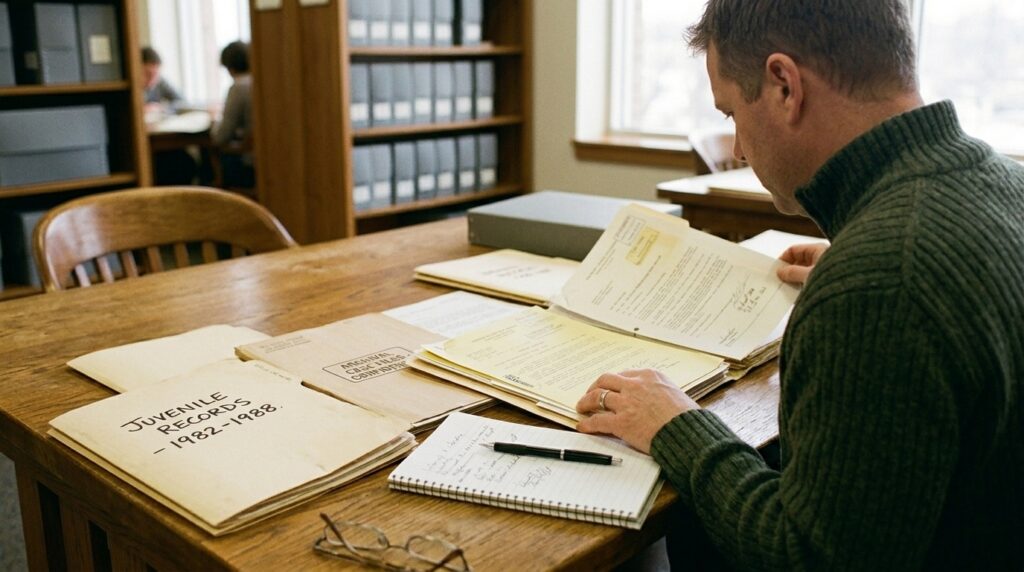
Records from closed youth detention facilities do not simply vanish. They transfer. They get archived. They move to state agencies, successor facilities, health departments, or court systems. Some are digitized. Some are stored in boxes in government warehouses. Some are accessible through public records requests that most survivors do not know they can make.
Finding them takes persistence, knowledge of where to look, and in many cases, the help of a legal team experienced in institutional abuse claims. But for many survivors, those records exist, and they may be more accessible than you think.
This guide explains where records go when youth facilities close, how adult survivors can request them, what records are most useful for legal purposes, and what to do when records genuinely cannot be found.
Key Takeaways
- Records from closed youth facilities are rarely destroyed; they typically transfer to state agencies, successor organizations, or archives
- Adult survivors generally have the right to request their own records, even from facilities that closed decades ago
- Multiple record sources may exist simultaneously, including state agencies, courts, medical providers, and federal databases
- Some records may be restricted but accessible through legal process
- The absence of records does not automatically end legal options; lawyers have tools to locate and compel production of records
- Statutes of limitations in several New England states have been extended for adult survivors of childhood institutional abuse; records may still be relevant today
Why Records Matter for an Abuse Claim
Before explaining how to find records, it helps to understand why they matter.
In an institutional abuse case, records can:
- Corroborate a survivor’s account of events
- Establish that the survivor was present at the facility during the relevant time period
- Document injuries, medical treatment, or behavioral changes during the placement
- Show that complaints were made at the time and ignored
- Identify staff members who were present and potentially responsible
- Demonstrate a pattern of abuse or misconduct at the facility
- Support claims of negligent supervision, negligent hiring, or failure to protect
Records are not always required to pursue a claim. Survivor testimony is itself evidence. But records can significantly strengthen a case, and in some circumstances they provide the corroboration that makes a claim viable when it might otherwise be difficult to pursue.
What Happens to Records When a Youth Facility Closes
When a youth correctional facility closes, the fate of its records depends on several factors: who operated it, why it closed, what state it was in, and whether a successor entity took over operations.
For state-operated facilities:
When a government-run juvenile facility closes, its records typically transfer to the state agency that oversaw it. In New England, this generally means records move to departments of corrections, departments of children and families, departments of youth services, or their successor agencies.
State agencies are generally required to retain records for a defined period, though retention schedules vary. Records of minors in state custody often have longer retention requirements than standard administrative records.
For privately operated but state-contracted facilities:
Many youth correctional facilities in New England were privately operated under state contracts. When these facilities close, record retention obligations depend on the terms of the contract and applicable state law. Records may transfer to:
- The state agency that held the contract
- A successor operator that took over the program
- A state archive or records management office
For facilities that were reorganized or renamed:
Some facilities did not close outright but changed names, merged with other programs, or were reorganized under new management. In these cases, records may remain with the successor organization, which can sometimes be harder to identify.
For religious or nonprofit operators:
Facilities operated by religious organizations or nonprofits may have transferred records to the parent organization, a diocese or regional body, or a state archive. Records from these entities can sometimes be more difficult to access because they are not always subject to the same public records laws as government agencies.
Where to Look: A Practical Guide
1. The State Agency That Oversaw the Facility
This is usually the first and most productive place to start.
In New England, youth correctional facilities are typically overseen by one of the following types of agencies:
- Department of Corrections (juvenile division)
- Department of Children and Families or Department of Children, Youth and Families
- Department of Youth Services
- Office of Juvenile Justice or equivalent
These agencies often retain records from facilities they operated or contracted with, even after those facilities closed. Contact the records division of the relevant agency and submit a formal written request for your records.
What to include in your request:
- Your full legal name at the time of placement
- Any other names you may have used
- Approximate dates of placement
- The name of the facility, including any names you recall it using
- Your date of birth
2. The State Archives
Every New England state maintains a state archives or records management office that holds government records, including records from closed agencies and facilities. If the agency that oversaw the facility has been reorganized or no longer exists, the state archives may have taken custody of the records.
Contact your state’s archives office directly and ask whether they hold records from the specific facility or the agency that operated it.
3. The State Court System
If your placement was court-ordered, which is common for youth correctional placements, the juvenile court that ordered the placement may have records in your case file. Juvenile court records are generally confidential, but as an adult who was the subject of those proceedings, you may have the right to access your own records.
Contact the clerk of the juvenile court in the county where your case was heard.
4. Medical Providers and Health Records
If you received medical or mental health treatment during your placement, those records may exist separately from the facility’s administrative records. Healthcare providers, including those contracted to serve the facility, often maintain records independently.
Medical records typically have their own retention schedules and may be held by:
- The original healthcare provider or hospital system
- A state health department
- A managed care organization that contracted with the facility
5. The Social Security Administration
If you received Social Security benefits as a youth, the SSA may have records of your institutional placement in connection with benefit determinations.
6. Federal Databases and Investigations
Some youth facilities, particularly those that were the subject of federal investigations or consent decrees, may have records maintained by federal agencies including the Department of Justice Civil Rights Division or the Office of Juvenile Justice and Delinquency Prevention.
If you know or suspect that the facility you were in was ever investigated at the federal level, this is worth exploring.
7. Nonprofit and Advocacy Organizations
Several nonprofit organizations track the history of youth correctional facilities in the United States, including facilities that have closed. Organizations focused on juvenile justice reform and survivors’ rights may have documentation, records, or contacts that can help you identify where records were transferred.
8. News Archives and Public Records
Newspaper archives, particularly from local and regional publications in New England, may contain reporting on the facility, investigations, incidents, or closure proceedings. These do not constitute your personal records, but they can help establish the facility’s history, identify staff members, and corroborate the general conditions you experienced.
Record Sources and How to Access Them
| Record Source | What May Be Available | How to Request |
| State oversight agency | Placement records, incident reports, medical records held by the facility | Written public records request or personal records request |
| State archives | Records from closed agencies and facilities | Contact state archivist; submit written request |
| Juvenile court | Court orders, case files, legal proceedings related to placement | Contact court clerk; present identification as the subject of the record |
| Medical providers | Medical and mental health records from treatment during placement | Written request to provider or health records department |
| Social Security Administration | Records of institutional placement connected to benefits | Submit request through SSA |
| Federal agencies | Records from investigations or consent decrees involving the facility | FOIA request to relevant federal agency |
| Nonprofit organizations | Documentation of facility history, staff records, investigative files | Contact organization directly |
| News archives | Reporting on facility conditions, incidents, closures | Public library archives, newspaper databases, online search |

How to Make a Public Records Request
Public records requests, sometimes called FOIA requests at the federal level or records access requests under state law, are formal written requests for government-held documents.
In New England, each state has its own public records law:
- Massachusetts: Public Records Law (M.G.L. c. 66)
- Connecticut: Freedom of Information Act
- Maine: Freedom of Access Act (FOAA)
- Vermont: Public Records Act
- New Hampshire: Right-to-Know Law
- Rhode Island: Access to Public Records Act (APRA)
General steps for making a public records request:
- Identify the specific agency or office most likely to hold the records
- Submit a written request clearly identifying what you are looking for
- Include your identifying information so the agency can locate your records
- Specify that you are requesting records related to yourself, which may reduce or eliminate fees
- Keep a copy of every request you send and note the date sent
- Follow up in writing if you do not receive a response within the statutory timeframe
Agencies must generally respond within a set number of days under each state’s law. If a request is denied, you may have the right to appeal.
What If the Records Cannot Be Found?
Sometimes records genuinely cannot be located. Facilities may not have followed required retention schedules. Records may have been lost in a facility closure. Some records may have been improperly destroyed.
The absence of official records does not automatically end legal options.
What lawyers can do that individuals often cannot:
- Send formal legal preservation letters requiring agencies to stop destroying records
- File court orders compelling agencies to search for and produce records
- Subpoena records from third parties, including former staff, contractors, and healthcare providers
- Engage investigators to trace the facility’s ownership and operational history
- Identify other survivors from the same facility who may have records or testimony
- Use expert witnesses to establish what records should have existed and what their absence may suggest
The absence of records can itself be significant in litigation. When a facility that had a legal obligation to maintain records cannot produce them, courts sometimes allow an inference about why those records are missing.
What to Do Based on the Record Search Outcome
| Situation | What It Means | What to Do Next |
| Records found through agency request | Strong foundation for documenting placement and conditions | Share with lawyer; do not interpret them alone |
| Records partially available | Some documentation exists; gaps may be filled through other sources | Continue searching other sources; consult a lawyer |
| Agency says records were destroyed | May indicate a retention violation; absence may itself be significant | Document the agency’s response; consult a lawyer |
| Agency cannot locate records | Records may exist elsewhere; facility history may need investigation | Expand search to courts, archives, medical providers |
| Records exist but access is restricted | Records may be accessible through legal process | Consult a lawyer about compelling production |
| No records found anywhere | Claim may still be viable through testimony and other evidence | Consult a lawyer; survivor account is itself evidence |
New England-Specific Considerations
Several youth correctional facilities in New England have closed, changed names, or been reorganized over the past several decades. Survivors of these facilities face specific challenges in locating records, but each state also has resources that may help.
Massachusetts
The Department of Youth Services (DYS) in Massachusetts maintains records from facilities it operated or contracted. Massachusetts has a robust public records law and a state archives system. Records from DYS placements may be requested directly through the agency.
Connecticut
The Connecticut Department of Children and Families maintains records from youth placements. Connecticut’s Freedom of Information Act provides a strong framework for requesting government records.
Maine
The Maine Department of Health and Human Services and the Department of Corrections may hold records from juvenile placements. Maine’s Freedom of Access Act allows requests for government records.
Vermont
Vermont’s Agency of Human Services and the Vermont Department of Corrections may hold relevant records. Vermont’s Public Records Act provides access rights.
New Hampshire
New Hampshire’s Department of Health and Human Services and Division for Children, Youth and Families may hold placement records. The state’s Right-to-Know Law governs public records access.
Rhode Island
Rhode Island’s Department of Children, Youth and Families maintains records from youth placements. Rhode Island’s Access to Public Records Act provides access rights.
A Note on Statutes of Limitations
Finding records is often connected to whether a legal claim can still be brought. Several New England states have extended the statute of limitations for adult survivors of childhood institutional abuse, recognizing that survivors frequently do not come forward until years or decades after the harm occurred.
If you are an adult who experienced abuse in a youth correctional facility years ago, the question of whether you still have time to file a claim is worth asking directly. The answer depends on your state, the type of claim, and the specific facts of your situation.
Do not assume the window has closed without speaking to a lawyer. In some cases, it has not.
Your Next Step Starts Here
Locating records from a closed or renamed youth detention facility is challenging, but it is often possible. And even when records are incomplete or missing, legal options may still exist.
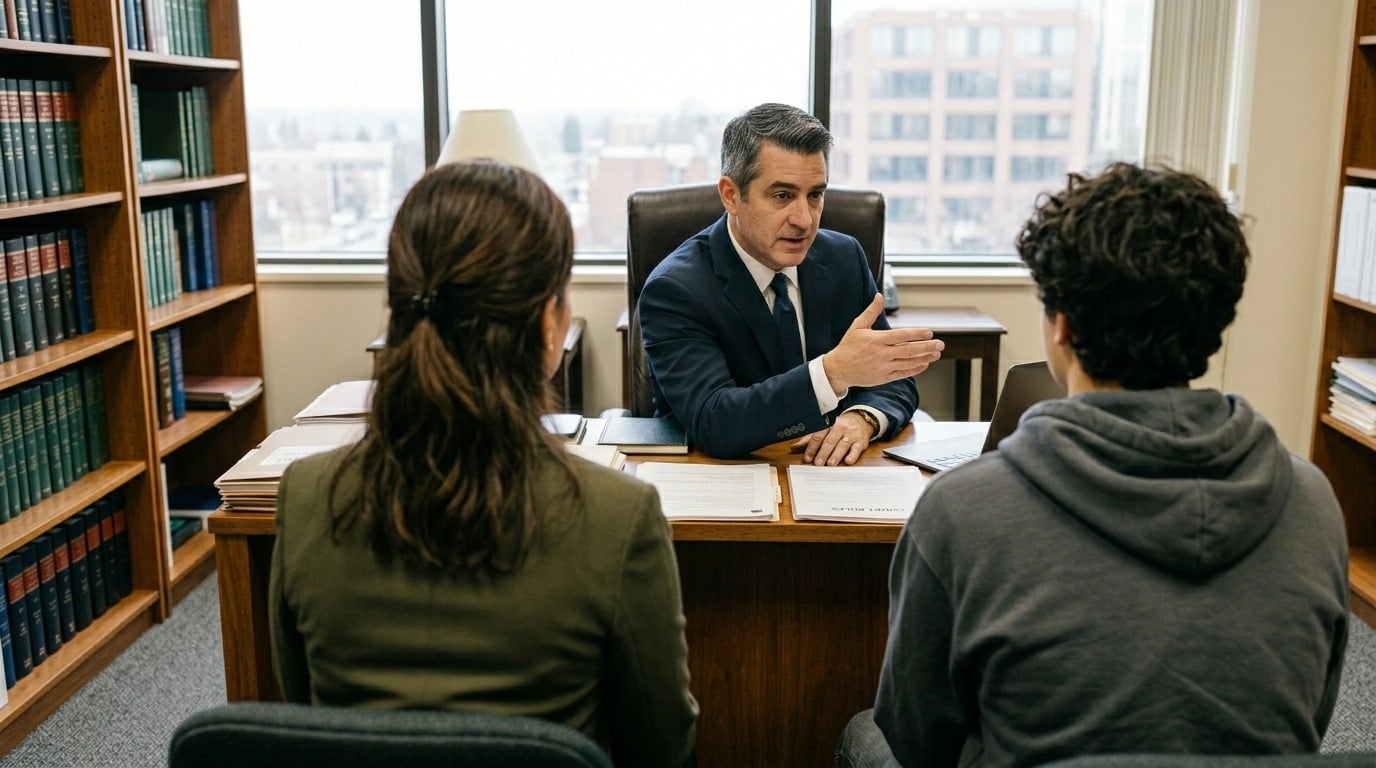
If you are an adult survivor who experienced abuse in a youth correctional facility in New England, the most productive first step is a confidential conversation with a lawyer who understands both the records access process and the legal claims available to survivors.
That conversation costs nothing. It carries no obligation. And it can help you understand what is realistic based on your specific situation, without pressure and without promises.
Speak confidentially with a lawyer
- 100 percent confidential
- No obligation consultation
- No upfront cost if the firm accepts the case on contingency
Frequently Asked Questions
Q: Can I get records from a youth facility that closed years ago?
A: Often, yes. Records from closed youth facilities typically transfer to state agencies, state archives, or successor organizations rather than being destroyed. The records may be held by the agency that oversaw the facility, the state archives, the juvenile court that handled your case, or medical providers who treated you during your placement. A public records request is usually the starting point.
Q: What if the agency says my records were destroyed?
A: Document the agency’s response in writing. The destruction of records that should have been retained may itself be significant, particularly if it violated the agency’s own retention schedule. A lawyer can advise on what that absence means for a legal claim and whether other sources of records exist.
Q: Do I need records to pursue a legal claim?
A: Not necessarily. Survivor testimony is itself evidence, and lawyers have legal tools to locate and compel production of records that are not accessible to individuals acting on their own. The absence of records does not automatically end legal options, though records can strengthen a case significantly.
Q: Can I request records from a facility that was run by a private organization under a state contract?
A: Possibly. Records from privately operated but state-contracted facilities may have transferred to the state agency that held the contract when the facility closed. Public records laws in New England states generally apply to government agencies, not to private organizations directly, but the state agency may have copies of records it received from the contractor.
Q: How long do New England states keep records from juvenile placements?
A: Record retention schedules vary by state, agency, and record type. Records related to minors in state custody often have longer retention requirements than standard administrative records. Some states retain these records for decades. Contacting the relevant agency directly is the most reliable way to determine what records exist and how long they have been retained.
Q: Is it too late to file a claim if the abuse happened in the 1980s or 1990s?
A: Not necessarily. Several New England states have extended or modified statutes of limitations for adult survivors of childhood institutional abuse. Whether a claim is still within the available filing window depends on your state, the type of claim, and the specific facts. Speaking with a lawyer is the most reliable way to understand what deadlines apply to your situation.
Q: What is a public records request and how do I make one?
A: A public records request is a formal written request to a government agency for documents it holds. Every New England state has a public records law that gives individuals the right to request government records. You generally submit a written request to the relevant agency identifying what records you are looking for and your identifying information. Agencies are required to respond within a set timeframe under each state’s law.
Q: Can a lawyer help me find records that I cannot locate on my own?
A: Yes. Lawyers have legal tools that individuals do not, including the ability to send preservation letters, file court orders compelling agencies to search for records, subpoena records from third parties, and engage investigators to trace the history of a facility. If you have reached a dead end in your own search, a lawyer may be able to go significantly further.
This content is for informational purposes only and does not constitute legal advice. No attorney-client relationship is formed by reading this blog. Past results do not guarantee future outcomes. Laws and regulations vary by state and change over time. Consult a licensed attorney in your jurisdiction for advice specific to your situation.