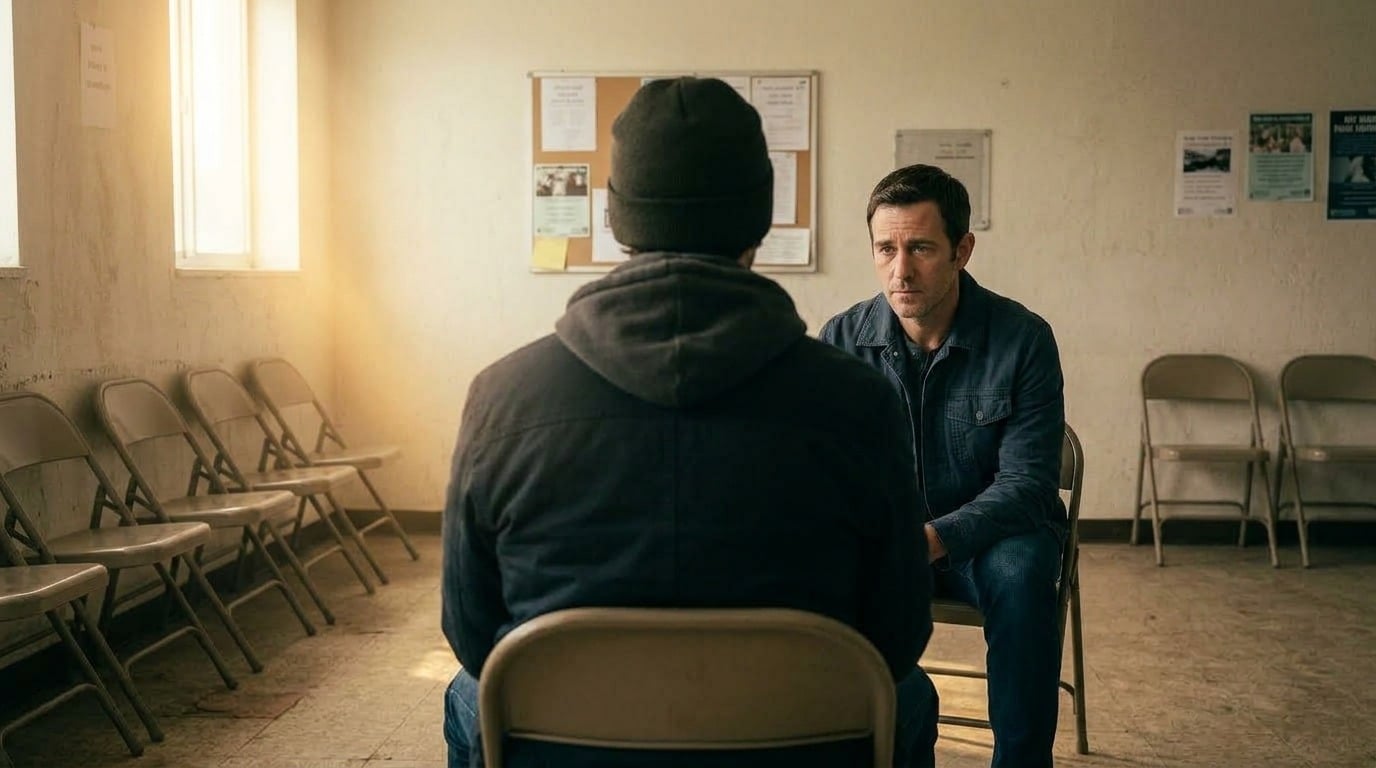
Many adult survivors of youth correctional facilities, juvenile detention centers, and state-run residential programs carry a common, heavy concern: that what they disclosed in the past was not enough, not complete enough, or not timely enough to support a legal claim today.
Perhaps you told a facility caseworker or school counselor about certain physical incidents but stayed silent about sexual abuse or humiliation. Perhaps you reported an abusive guard decades ago but left out the names of other staff who were present. Maybe you shared a partial account with a family member or therapist years later, only finding the words to describe the full extent of the trauma recently. Or perhaps you are still not certain you have shared the entire experience with anyone.
These gaps and silences often lead survivors to wonder: Do my earlier partial disclosures disqualify me from seeking legal accountability now?
In civil law, they do not automatically close the door.
Incomplete and delayed disclosure is one of the most widely documented patterns among survivors of childhood institutional confinement. In civil institutional abuse litigation, legal teams, courts, and clinical professionals evaluate why disclosures happen incrementally. Not sharing every detail immediately is a recognized response to trauma and institutional intimidation, not an automatic barrier to a civil claim.
Can I Pursue a Claim If I Didn’t Disclose Everything Earlier?
Not disclosing the full extent of abuse at the time does not automatically disqualify an adult survivor from pursuing a civil lawsuit. In civil claims involving youth correctional facilities, attorneys and courts examine why disclosures occurred in stages, how earlier accounts fit with institutional records, and whether applicable statutes of limitations or legislative lookback windows allow a claim to proceed.

Key Takeaways for Adult Survivors
- Gradual disclosure is a recognized trauma response: Decades of clinical literature and institutional litigation establish that individuals abused in closed environments rarely disclose every detail immediately or all at once.
- Civil law does not require contemporaneous perfection: There is no legal rule mandating that a survivor must have provided an exhaustive, immediate report as a child in order to seek civil justice as an adult.
- Institutional power dynamics silenced youth: In juvenile detention centers and youth reform schools, the fear of physical retaliation, disciplinary isolation, or extended confinement created severe barriers to speaking freely.
- Incompleteness is legally distinct from fabrication: Adding details over time as trust and safety increase is viewed very differently in civil litigation than manufacturing new claims.
- Prior disclosures can help establish a historical timeline: Sharing aspects of an experience with a counselor, doctor, or family member years ago can help corroborate that an account was not created recently.
- A confidential legal assessment evaluates the complete picture: An attorney experienced in institutional litigation examines how past disclosures, facility records, and current laws intersect.
What Incomplete Disclosure Looks Like for Youth Detention Survivors
Survivors of abuse in juvenile correctional facilities, training schools, and detention halls rarely experienced a safe environment for open reporting. As a result, disclosures frequently occurred in fragments, over extended periods, and under very specific circumstances:
- Reporting physical abuse while withholding sexual trauma: Disclosing rough handling, physical beatings, or excessive restraint by cottage staff, while holding back sexual abuse out of intense shame, fear, or confusion.
- Providing general statements without specific names: Acknowledging to an intake worker or family member that “bad things happened” in a specific cottage, without detailing the precise acts or identifying the perpetrators.
- Disclosing incrementally during medical or mental health care: Mentioning sleep disturbances or general anxiety to a physician or therapist, and only gradually revealing the underlying institutional abuse as clinical trust deepened over years.
- Sharing the full account only after others stepped forward: Remaining silent for decades until learning that former peers from the same state facility or youth hall initiated litigation or spoke to investigative journalists.
- Prior denials under institutional coercion: Denying that anything inappropriate occurred when questioned by the very administrators, superintendents, or guards who held authority over daily living conditions or release dates.
None of these patterns indicate dishonesty. Rather, they reflect the protective mechanisms children adopted to survive inside closed, custodial institutions.
Why Survivors Did Not Disclose Everything at the Time
To understand how disclosure patterns are evaluated legally, it is helpful to examine the institutional and psychological forces that shaped why youth remained silent.
Total Institutional Authority and Fear of Retaliation
Youth correctional facilities were total institutions. Staff controlled meals, room assignments, family visitation privileges, disciplinary solitary confinement, and parole recommendations. When a child was abused by a guard, cottage supervisor, or teacher, reporting meant accusing someone who possessed near-total power over their immediate safety. The fear that reporting would lead to physical retaliation, harsher treatment, or an extended commitment was a rational survival decision.
The Processing of Traumatic Memories
Clinical research indicates that traumatic experiences are often processed differently from ordinary memories. High-stress events can be encoded in fragmented or sensory ways. An adult survivor may retain vivid recollections of a specific room, a staff member’s smell, or a particular physical sensation, while the chronological sequence of events or specific calendar dates may take time and professional support to assemble.
Shame, Stigma, and Self-Blame
Abuse in institutional settings—particularly when involving sexual violations or strip-search abuse—routinely generates profound, unwarranted feelings of personal shame. Young people placed in correctional programs were often repeatedly told they were delinquent, untrustworthy, or bad. This environment led many youth to internalize the blame, fearing that disclosing the abuse would cause their families or peers to look upon them with disgust.
Partial Disclosures as Protective Testing
Many survivors disclosed a small, less threatening piece of information first to test the reaction of the listener. If a counselor, parent, or caseworker responded with skepticism, minimization, or anger, the survivor quickly learned that sharing the rest was unsafe. This gradual or halted communication is a recognized protective strategy, not a sign of fabrication.
What Incomplete Disclosure Does Not Do Legally
Misunderstandings about how evidence works in civil lawsuits cause many adult survivors to dismiss their own claims before consulting legal counsel.
1. It Does Not Bar You from Initiating a Lawsuit
The civil justice system does not require that you made an immediate or exhaustive police report as a child in order to file a lawsuit as an adult. Civil actions are governed by statutory causes of action, evidentiary rules, and statutes of limitations. A lawyer evaluates whether the current facts and evidence support a viable claim, not whether you followed an idealized reporting procedure while detained.
2. It Does Not Render Your Testimony Inadmissible
A survivor’s sworn recollection is direct legal evidence. Courts and juries are not required to dismiss an account simply because earlier statements contained fewer details. When cases are presented effectively, attorneys demonstrate the context surrounding when and why specific disclosures occurred.
3. It Does Not Mean You Contradicted Yourself
Legal teams distinguish between expanding upon an account and contradicting a prior statement. Supplying additional context, naming additional perpetrators, or detailing previously unmentioned abuse as safety increases represents an expansion of your story, not a factual inconsistency.
4. It Does Not Disqualify Claims Under Lookback Windows
Many states have enacted legislative window legislation that temporarily or permanently opens the courthouse doors for historical childhood abuse claims, even decades later. These statutes recognize that institutional abuse survivors routinely take decades to process trauma and come forward. Learn more about statutory deadlines in our overview of suing for childhood abuse that occurred years ago.
What Incomplete Disclosure Does Affect in a Legal Case
While incomplete disclosure does not bar a claim, an experienced attorney must analyze the disclosure history carefully to prepare for arguments the defense will raise.
Assessing the Consistency of Prior Statements
If you previously made statements to social workers, state police, probation officers, or doctors, those records may be sought during legal discovery. An attorney will examine:
- Whether past statements directly align with the core allegations of the current claim.
- Whether prior statements were merely incomplete or whether they contained direct denials that must be explained through the context of duress or institutional pressure.
- How contemporaneous facility shift logs or incident reports support the timing of the disclosures.
Explaining the Context of the Timeline
Defense attorneys representing state departments of corrections or private youth facilities often attempt to characterize delayed or partial disclosure as an indication that the allegations were recently created. To counter these arguments, plaintiff attorneys present evidence demonstrating:
- The oppressive, retributive nature of the specific facility at the time.
- Institutional failures to provide independent, confidential grievance procedures for youth, illustrating the facility’s failure to protect youth in detention.
- Testimony from qualified clinical and psychological professionals explaining standard trauma responses.
Leveraging Prior Disclosures to Support the Claim
Earlier disclosures, even if vague or limited, often provide critical support for a civil claim:
- Establishing Pre-Litigation Notice: A record showing you told a therapist or family member about the abuse years before considering a lawsuit refutes claims that the lawsuit was fabricated for financial gain.
- Demonstrating Institutional Awareness: If you reported misconduct to a teacher, guard, or nurse who failed to document or escalate the complaint, that failure can serve as direct evidence of institutional negligence and deliberate indifference.
Common Disclosure Situations and Case Considerations
| Historical Disclosure Scenario | Potential Impact on an Investigation | How Legal Counsel Evaluates It |
| Partial disclosure to a private therapist over several years | Generally provides helpful documentation of ongoing trauma symptoms and gradual disclosures. | Records can establish a consistent timeline of disclosures made long before civil litigation was contemplated. |
| Reported physical excessive force, but omitted sexual misconduct | Defense may argue the omitted claims were added late; very common in institutional settings. | Counsel highlights the intense shame and stigma surrounding sexual abuse in correctional facilities, often supported by expert analysis. |
| No disclosure to anyone until adulthood | A frequent scenario; cases rely heavily on survivor testimony corroborated by institutional records. | Attorneys use state archives, facility shift logs, and co-claimant accounts to build objective corroboration. See filing a claim without personal evidence. |
| Prior denial of abuse during an official facility inquiry | Creates an inconsistency that defense counsel will emphasize during cross-examination. | Evaluates whether the denial occurred while the youth was under the physical control of the accused staff or facing threats of punishment. |
| Disclosed only after public investigations or peer lawsuits | Common occurrence; learning that other survivors have stepped forward often provides the emotional safety needed to speak. | Demonstrates that institutional secrecy and isolation suppressed reporting until systemic patterns became public knowledge. |
| Disclosed to police years ago, but no criminal charges were brought | Civil and criminal standards are separate; criminal inaction does not prevent civil liability. | Obtains the archived police investigative file, which often contains valuable contemporaneous officer notes and witness interviews. |
The Role of Expert Testimony in Explaining Disclosure
In complex civil litigation against youth detention centers and state agencies, expert witnesses often assist the judge and jury in understanding the reality of institutional trauma. A qualified clinical psychologist, psychiatrist, or institutional corrections expert can provide testimony regarding:
- Trauma-Informed Memory Retrieval: How prolonged childhood confinement and severe stress affect the encoding, consolidation, and retrieval of specific memories.
- The Dynamics of Custodial Abuse: Why children held in juvenile detention facilities rarely view authority figures as protectors, leading to rational self-censorship.
- Recognized Disclosure Trajectories: Demonstrating that partial, halting, and delayed disclosures are standard, expected features of institutional childhood trauma.
- Institutional Grievance Deficiencies: How inadequate reporting systems and pervasive cultures of silence prevented youth from speaking out safely.
This testimony helps ensure that a survivor’s account is evaluated through the lens of established psychological science rather than outdated, unrealistic assumptions about how victims “should” behave.
What Adult Survivors Can Do Before a Legal Consultation
If you are considering reaching out to an attorney but feel anxious about your past disclosures, taking small, structured steps can help you prepare:
1. Assemble a Basic Timeline for Yourself
In a secure, private notebook, jot down what you recall about your past disclosures:
- Approximate years or timeframes when you shared details.
- The general identities of people you spoke to (e.g., “a counselor at community mental health in 1998,” “my spouse in 2005”).
- Whether any official reports, police interviews, or child protective inquiries ever occurred.
2. Preserve Records of Prior Disclosures
Do not discard personal materials that reflect earlier conversations. Old personal journals, medical billing receipts, letters, or emails where you referenced your time in the facility can be valuable. For guidance on preserving records, review our resource on what evidence to save for an abuse claim.
3. Understand That Records from Closed Facilities Can Be Traced
If your disclosures were made inside a facility that has since shut down or changed names, do not assume those files are lost forever. Learn how institutional records are archived in our guide on locating records from closed youth detention centers.
4. Be Candid with Your Legal Team
When you participate in an initial consultation, share what you previously disclosed—including any times you denied the abuse or withheld details. An attorney cannot protect you from defense challenges or develop an effective strategy without knowing the complete procedural history.
Survivor Concerns vs. Legal Case Realities
| What Survivors Often Fear | The Practical Legal Reality | Recommended Approach in Litigation |
| “I only told part of the story, so no one will believe the rest now.” | Incremental disclosure is recognized by courts and clinicians as a standard trauma response. | Document the context of why earlier settings felt unsafe, supported by clinical expert analysis. |
| “I told staff nothing happened when they asked me decades ago.” | Statements made under institutional duress, coercion, or fear of punishment are heavily scrutinized. | Examine the physical environment, staff presence, and power imbalances existing at the moment of the denial. |
| “My therapy records only mention depression, not the specific abuse.” | Mental health notes reflect clinical focus at the time; many patients address coping before sharing core trauma. | Work with clinical experts to explain how delayed disclosure in therapy reflects deep-seated trauma processing. |
| “I told different details to different people over the years.” | Variations in emphasis or detail are normal across different relationships and settings. | Counsel reviews all past accounts to identify core factual consistency and address contextual variations. |
| “I am still not sure I remember every single detail.” | Civil claims do not require absolute recall of every date; core liability rests on duty of care and credible facts. | Focus on verifiable institutional details—such as cottage assignments, routines, and staff identities. |
Frequently Asked Questions About Incomplete Disclosures
1. Does failing to report the abuse immediately prevent me from filing a lawsuit?
No. There is no legal requirement that a survivor must have reported the abuse to police or facility staff at the time it occurred to pursue a civil lawsuit later. While state statutes of limitations set deadlines for filing claims, many states have extended these periods or passed special lookback laws for childhood institutional abuse. A legal consultation can clarify what deadlines apply to the state where the facility operated.
2. What if I told a doctor or therapist about some incidents, but left out others?
This is extremely common. Clinical relationships take time to develop, and survivors often disclose trauma in layers as emotional safety increases. Medical and counseling records that document partial disclosures over time can actually support your case by establishing that your symptoms and disclosures began years before any civil lawsuit was initiated.
3. What if I denied the abuse happened when questioned by facility staff as a teenager?
A past denial does not automatically destroy a claim, but it requires careful legal contextualization. Courts and juries understand that a juvenile detained in a correctional facility who is questioned by guards or staff may deny abuse out of fear of physical retribution, solitary confinement, or delayed parole. Your attorney will analyze the circumstances surrounding the denial to demonstrate that it was made under institutional duress.
4. Can my lawsuit include incidents I never told anyone about until recently?
Yes. A civil lawsuit can encompass all actionable abuse you suffered, provided the claims fall within applicable legal filing periods. You are not legally restricted to only the specific acts you mentioned in childhood reports or early disclosures.
5. How does an attorney prove why I didn’t disclose everything decades ago?
Attorneys use several methods to demonstrate why full disclosure was delayed. This includes gathering historical records of facility violence, showing that the institution lacked confidential reporting channels, presenting evidence of retaliation against other youth, and utilizing expert testimony from trauma psychologists who explain the science of trauma-induced silence.
6. What if my recollection of the timeline is hazy or incomplete?
It is completely normal for memories of events that occurred 20, 30, or 40 years ago to have gaps regarding exact calendar dates or times. In institutional cases, attorneys use objective external records—such as juvenile court commitment orders, county transport manifests, and facility daily logbooks—to establish the precise chronological framework.
7. Will my past disclosures be shared with the public if I consult a lawyer?
No. Initial consultations with a law firm are held in strict professional confidence. Discussing your past disclosures allows an attorney to evaluate your legal options, and having that conversation does not obligate you to file a lawsuit or make your story public.
8. Can I consult an attorney if I am still unsure about sharing every detail?
Yes. An initial legal consultation is an exploratory, confidential conversation, not a deposition or cross-examination. You are in control of what you share and the pace at which you share it. An experienced attorney will listen respectfully, explain the legal landscape, and help you understand what options may be available to you.
Speak Confidentially with an Attorney About Your Options
If you were harmed while placed in a youth correctional center, juvenile detention hall, industrial school, or state residential facility, you should not let concerns about past disclosures prevent you from learning about your legal rights.
Experienced institutional abuse attorneys understand the realities of closed youth facilities, the tactics used to silence children, and the reasons why full disclosures often take decades to emerge. A confidential consultation allows you to discuss what happened, evaluate your disclosure history in a supportive setting, and determine whether legal options remain available in your state.
- Confidential and Supportive: Your discussion is held in strict confidence, conducted with compassion, and guided at your own pace. Read more about what to expect during your first confidential consultation.
- No Upfront Legal Fees: If our coalition accepts your case, we represent you on a contingency-fee basis. You pay no attorney’s fees unless a financial recovery is obtained on your behalf.
- No Pressure or Obligation: An initial review is entirely free and designed to provide you with clear, practical legal information so you can make informed decisions for yourself.
To learn whether you may qualify to pursue an institutional claim, complete our brief confidential qualification questionnaire or contact our team directly through our contact page.
Disclaimer: The information provided in this article is for educational and informational purposes only and does not constitute legal advice. Reading this content or communicating through this website does not establish an attorney-client relationship with Abuse Legal Group or its affiliated law firms. Legal standards, statutes of limitations, and lookback window revivals vary significantly by jurisdiction and are subject to change. Past case results do not guarantee or predict future legal outcomes.